

NC Republicans override DEI vetoes after the Republican-controlled North Carolina House voted Wednesday
North Carolina Republicans have overridden Gov. Josh Stein’s vetoes on a series of bills that will dismantle Diversity, Equity and Inclusion (DEI) initiatives throughout public schools, colleges, universities, and state government.
Voices who oppose the legislation say it goes far beyond eliminating DEI offices. They argue it sends a message that discussions about race, inequality, and the lived experiences of many North Carolinians are no longer welcome in publicly funded institutions.
On Wednesday, the Republican-controlled House voted 71-47 along party lines to override Stein’s vetoes after two Democratic lawmakers, Rep. Shelly Willingham (D-Edgecombe) and Rep. Carla Cunningham (U-Mecklenburg) — were absent from the chamber. The votes marked the 10th, 11th, and 12th veto overrides against the governor since he took office.

For Republican leaders, the bills represent a victory against what they describe as ideological indoctrination.
DEI Programs Face Elimination Across North Carolina
Two of the measures are now law.
Senate Bill 227 eliminates DEI offices, staff positions, and official DEI initiatives throughout North Carolina’s K-12 public school system.
Senate Bill 558 does the same for the University of North Carolina System and other public colleges and universities.
A third proposal, House Bill 171, targets state agencies and local governments by prohibiting DEI programs in hiring, promotions, contracts, and employee training. The bill is expected to receive its final veto override in the Senate.
If fully enacted, state agencies could face audits, employees could face disciplinary action, and violations could result in civil lawsuits and fines of up to $5,000.
Republican lawmakers argue the legislation ensures every student and employee is treated equally without regard to race, sex, or identity.
House Majority Leader Brenden Jones said education should never teach students they are inherently racist, sexist, oppressive, or guilty because of their race or gender.
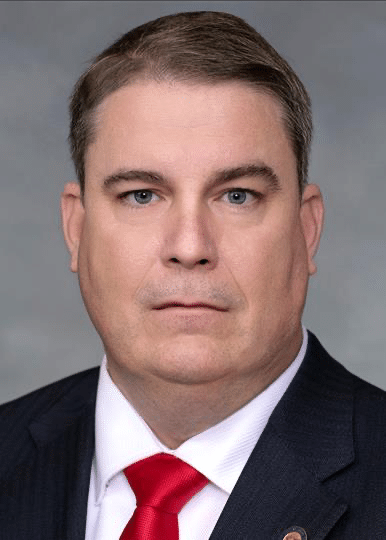
Supporters also argue government hiring and admissions decisions should be based strictly on qualifications and merit rather than diversity initiatives.
But civil rights advocates, educators, and Democratic lawmakers argue the debate is not about giving one group special treatment. They contend DEI programs were created to help remove barriers, improve access, and ensure institutions better serve increasingly diverse communities.
They also question whether eliminating entire offices and programs actually solves any pressing problem facing North Carolina families.
Gov. Josh Stein: “They’re Focusing on the Wrong Priorities”
Following the House votes, Gov. Stein issued a statement criticizing the Republican-led overrides.
He accused lawmakers of prioritizing culture wars over critical state needs:
“As the legislature leaves teachers and law enforcement officers waiting for hard-earned and desperately needed pay raises, members of the General Assembly are stoking the culture wars that divide us rather than fulfilling their long-overdue responsibility of passing a budget.
It’s time for them to do their jobs for the people of North Carolina. Instead, they are overriding my veto on bills to whitewash the diversity that makes our state strong and to take state law enforcement officers away from their existing state duties, forcing them to act as federal immigration agents.”