

U.S. health officials in Georgia, Arizona, and California are actively monitoring returned passengers from the MV Hondius hantavirus outbreak
MV Hondius hantavirus has prompted U.S. health authorities to actively monitor returned passengers from the affected cruise ship, with confirmed monitoring programs underway in Georgia, Arizona, and California. As of May 7, 2026, none of the monitored individuals have shown any symptoms of infection, and officials emphasize that the risk to the general public remains extremely low.
Here’s the breakdown of U.S. monitoring:
- Georgia: The Georgia Department of Public Health (DPH) is monitoring two residents who disembarked the ship and returned home. Both are in good health with no signs of infection and are following CDC guidelines.
- Arizona: The Arizona Department of Health Services is monitoring one resident who was a passenger. The individual is not symptomatic.
- California: State health officials are monitoring an undisclosed number of residents who returned from the vessel.
At least 17 Americans were aboard the MV Hondius overall. Some disembarked earlier (including about seven who left at St. Helena on April 24 and have since returned home), while others remain on the ship under isolation protocols. Public health teams in additional states (possibly including Texas and Virginia) may also be involved in contact tracing, though Georgia, Arizona, and California are the primary states publicly confirming active monitoring.
The CDC and state agencies are conducting targeted follow-up with these individuals, including symptom monitoring for the virus’s typical 1–8 week incubation period. No domestic transmission or community spread has been detected in the U.S.
How the Outbreak Started: Origin on the MV Hondius
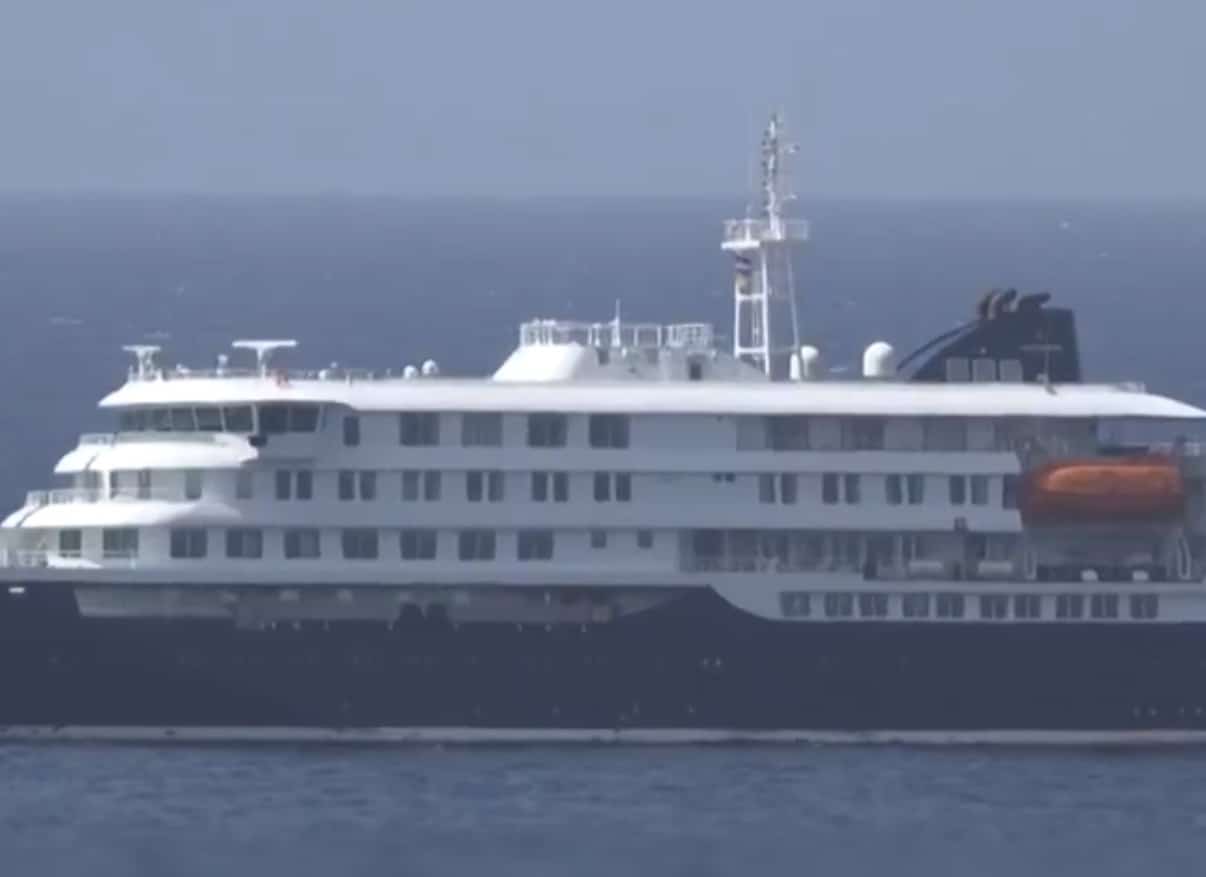
The cluster began aboard the Dutch-flagged expedition cruise ship MV Hondius, operated by Oceanwide Expeditions. The vessel departed Ushuaia, Argentina, on April 1, 2026, for a 34-day Antarctic and South Atlantic itinerary that included stops at remote locations such as South Georgia, Nightingale Island, Tristan da Cunha, Saint Helena, and Ascension Island.
Hantavirus is a rodent-borne virus typically transmitted through inhalation of aerosolized particles from infected rodent urine, feces, saliva, or contaminated dust. Experts believe the initial exposure likely occurred pre-boarding or during early land excursions in South America, where certain hantavirus strains (including the Andes variant) are endemic. No prior hantavirus cases had been reported in Tierra del Fuego province, but rodent populations can surge due to environmental factors.
Hondius Hanatavirus Outbreak
Timeline of the outbreak (based on WHO and operator reports:
- April 6: First symptoms (fever, headache, gastrointestinal issues) in a 70-year-old male passenger. He died on April 11 from respiratory distress.
- April 24–28: Additional passengers and crew reported flu-like symptoms that rapidly progressed.
- April 26: Spouse of the first case (confirmed positive) died in Johannesburg after being evacuated.
- April 27–May 4: Further cases identified; a third death occurred on May 2. One British passenger was evacuated to a South African ICU (confirmed hantavirus).
- May 2–6: WHO notified of seven cases total (two to five laboratory-confirmed, others suspected). Three symptomatic individuals (including crew) were evacuated from the ship off Cabo Verde to the Netherlands.
- May 6–7: The ship, with remaining passengers and crew under strict isolation, is en route to Spain’s Canary Islands for docking, full epidemiological investigation, testing, and decontamination. Non-Spanish passengers will be repatriated.
The confirmed strain is the Andes virus (native to South America), which is unique among hantaviruses for its documented limited person-to-person transmission in cases of prolonged close contact. This explains the onboard cluster despite hantaviruses usually not spreading between humans.
What Is Hantavirus?
Hantaviruses cause two main illnesses: hantavirus pulmonary syndrome (HPS) in the Americas and hemorrhagic fever with renal syndrome elsewhere. There is no specific treatment or vaccine—care is supportive, often requiring ICU-level intervention for breathing and blood pressure support. Fatality rates for severe HPS can reach 40-60%, though early care improves outcomes.
Symptoms (appear 1–8 weeks after exposure, typically 2–4 weeks):
- Early/flu-like phase: Fever, chills, headache, muscle aches, dizziness, fatigue, nausea, vomiting, diarrhea, abdominal pain.
- Severe phase (can develop rapidly): Shortness of breath, cough, fluid-filled lungs (pulmonary edema), low blood pressure, shock, and acute respiratory distress syndrome (ARDS).