

A yearlong investigation into North Carolina juvenile detention centers found that teenagers in several facilities are spending up to 23 hours a day locked inside small cells.
A yearlong investigation into North Carolina’s juvenile detention centers has uncovered stark disparities in how incarcerated teenagers are treated — with some youth reporting they are locked inside small cells for as much as 22 to 24 hours a day.
The findings, detailed in a 52-page report released Feb. 19 by Disability Rights North Carolina, raise urgent questions about whether the state’s juvenile justice system is fulfilling its rehabilitative mission or drifting toward punitive confinement practices more commonly associated with adult prisons.
A System Marked by Wide Variation
North Carolina operates 13 juvenile detention centers, including three county-run facilities, all overseen by the North Carolina Department of Public Safety Division of Juvenile Justice and Delinquency Prevention.
According to the report, conditions vary dramatically from facility to facility — from time spent outside cells to access to education, recreation and mental health services.
In five facilities, Disability Rights NC found what it described as the “frequency and normalcy” of solitary confinement-like conditions, defined as more than 22 hours per day in isolation.
“You walk into one and you have no idea what you’re going to see,” said Cari Carson, supervising attorney on the organization’s education team. “How you are treated and the opportunities that you have should not depend on which facility you happen to be assigned to.”
Youth Locked Down for Most of the Day
The report is based on 398 interviews conducted with detained youth between July 2024 and late 2025.
Rooms inside the facilities average approximately 8 by 10 feet — containing a bed, sink and toilet. In several centers, young people reported spending nearly the entire day confined to these spaces.
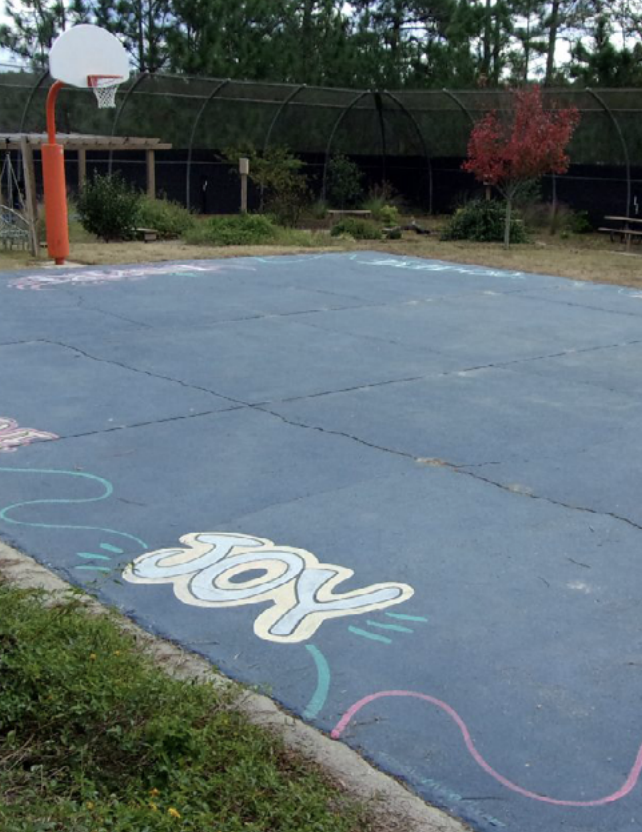
Only three facilities — Richmond-Jenkins, Rockingham and Alexander — stood out for allowing youth to spend most of the day outside their rooms. The Richmond-Jenkins Juvenile Detention Center is unique in that it operates an open-bay pod model rather than traditional locked cells.
Youth at those facilities reported greater feelings of safety and well-being.
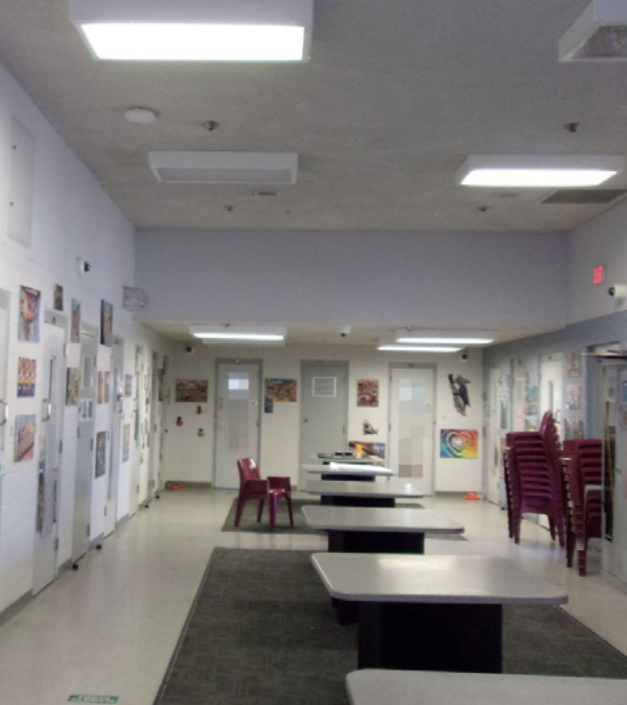
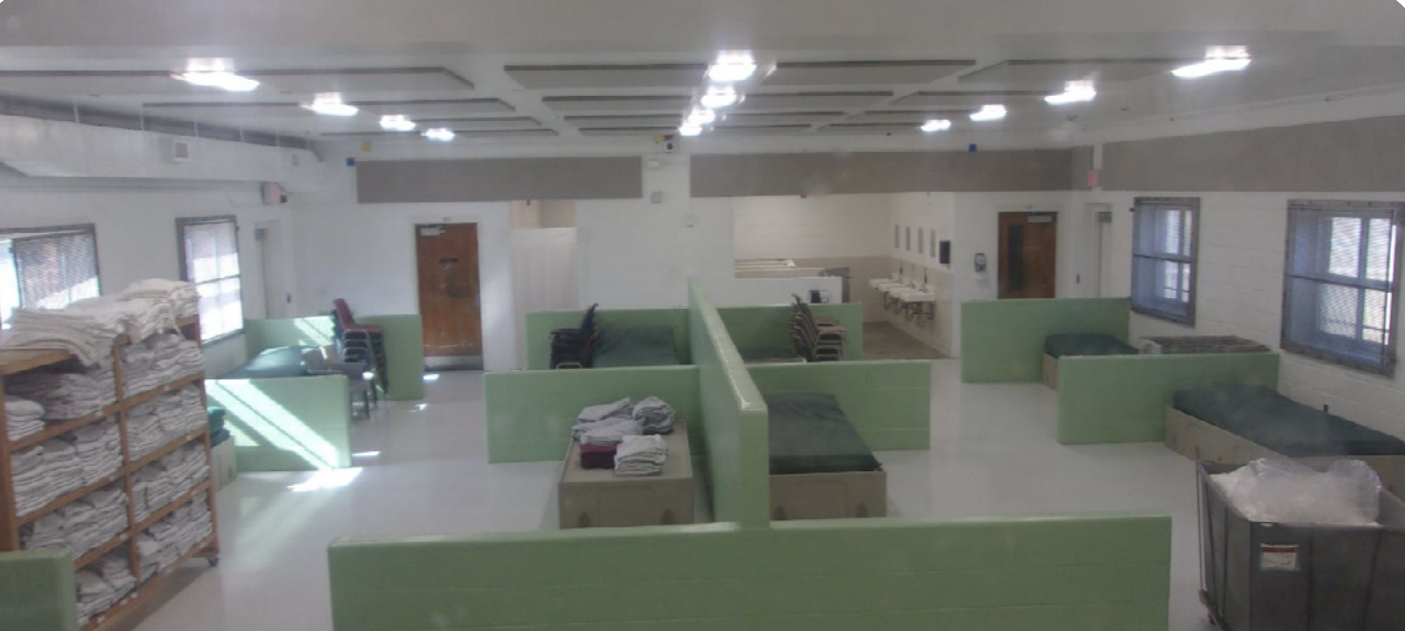
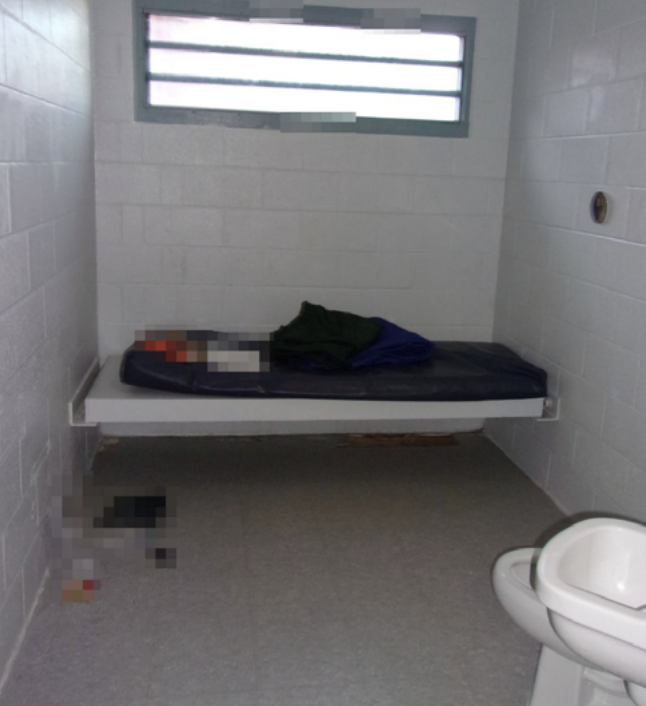
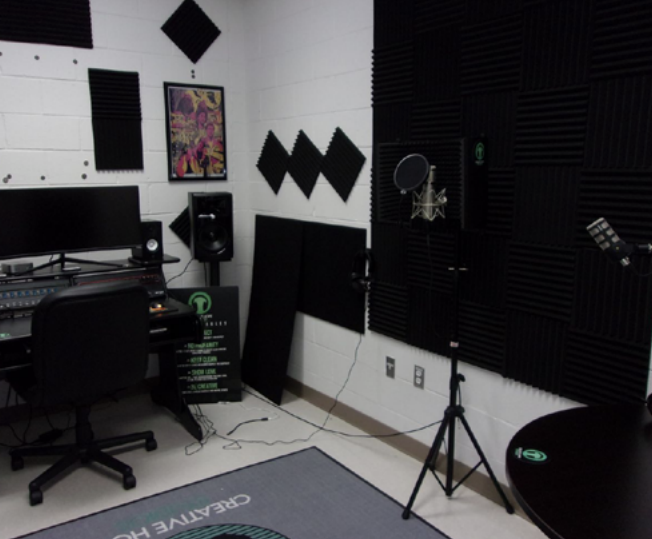
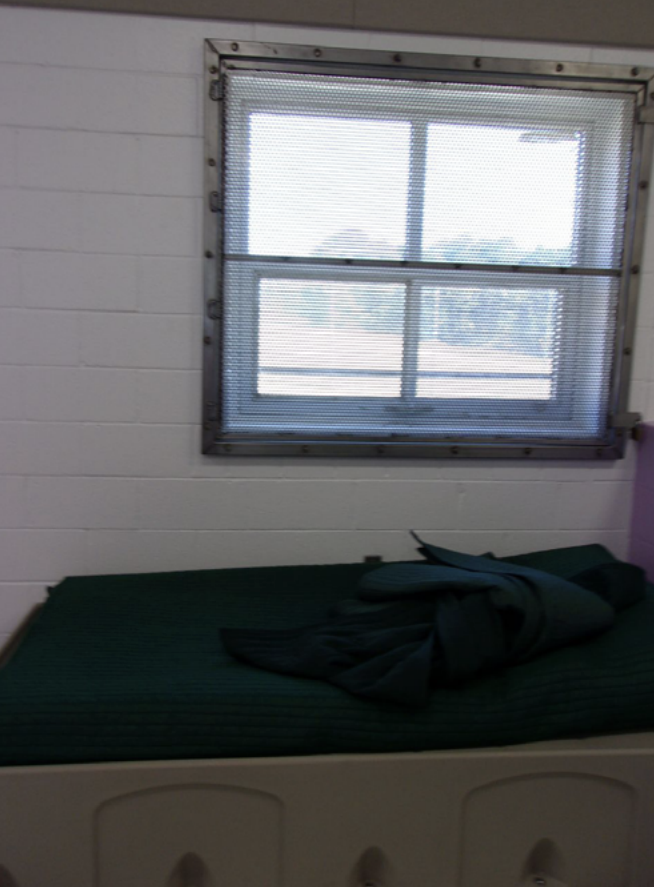

By contrast, teens at facilities including Guilford, Cumberland and Durham County Youth Home described extended confinement over consecutive monitoring visits.
During a July 2025 visit to the Cumberland Regional Detention Center, youth reported spending 22 to 23.5 hours per day in their cells, rarely going outside. Multiple teens cried during interviews, and several disclosed suicidal thoughts or acts of self-harm.
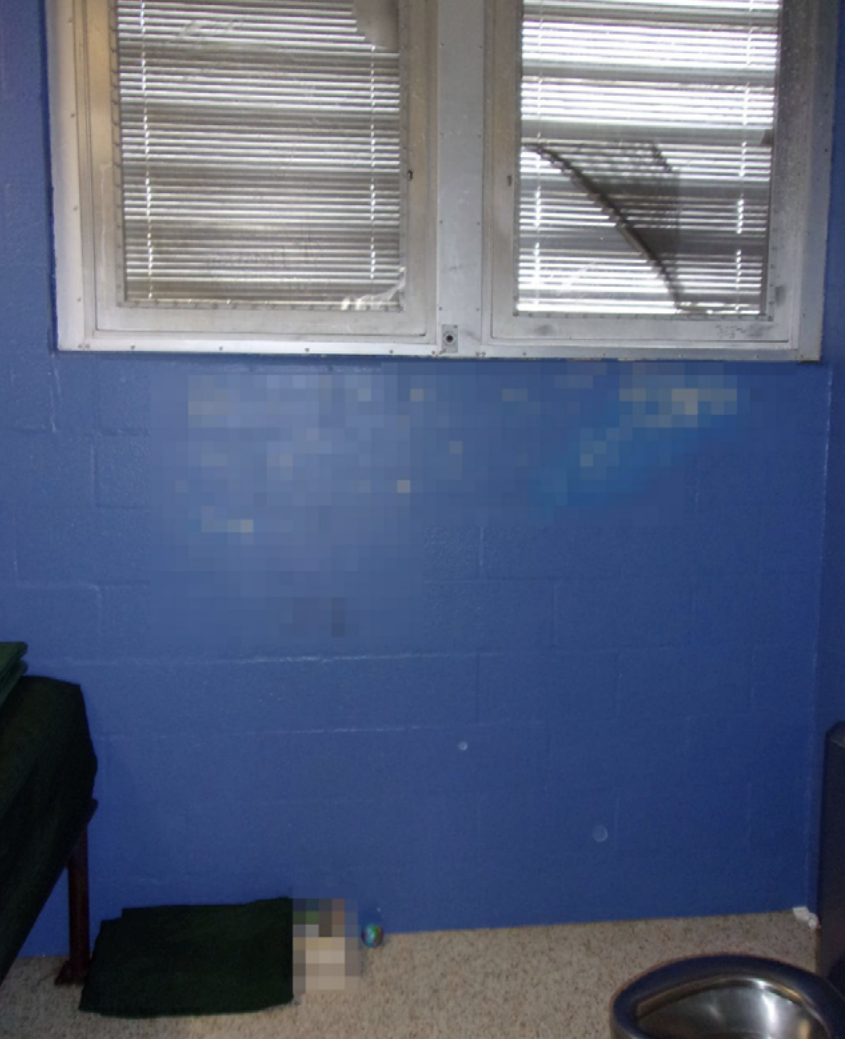
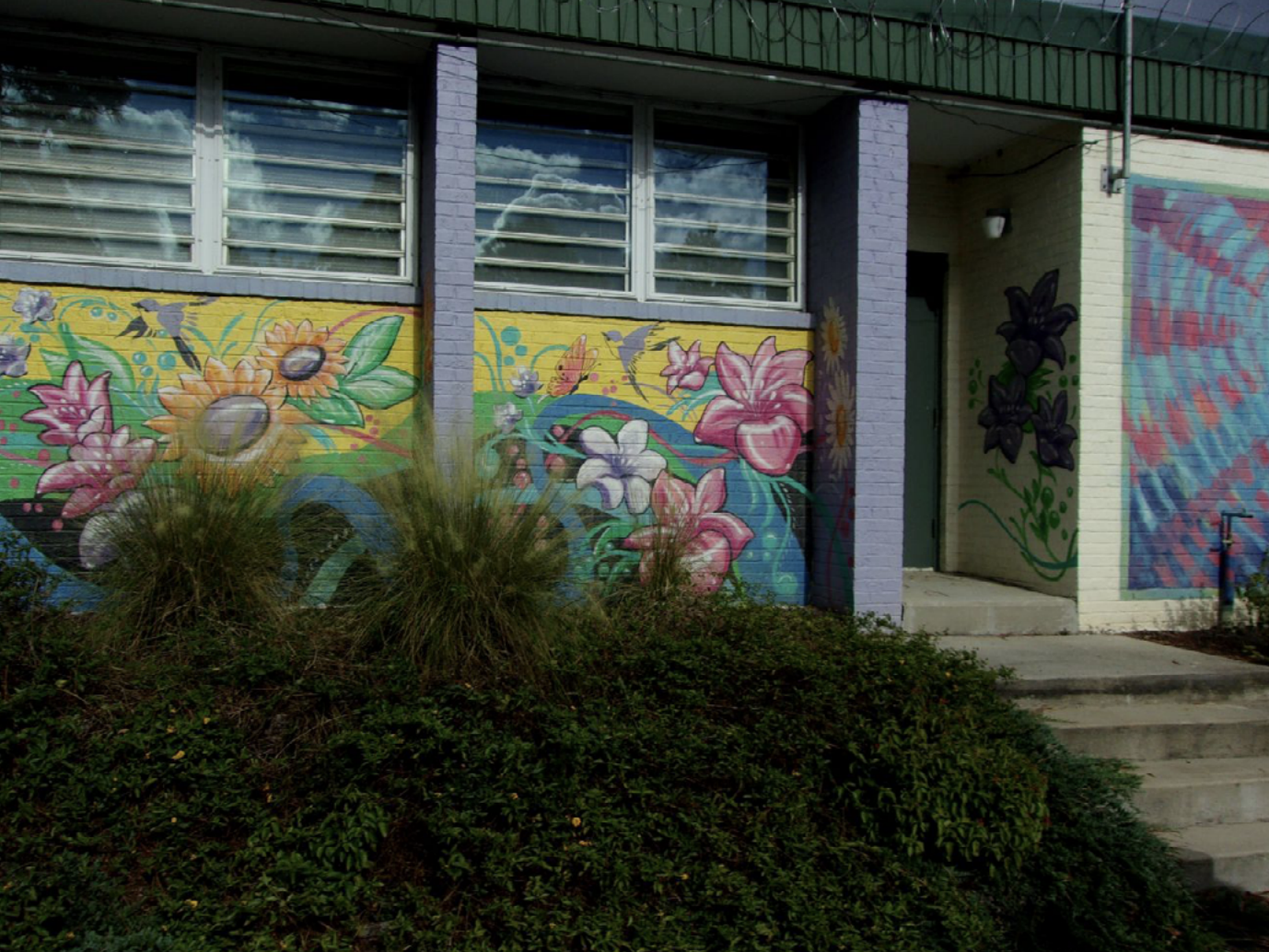
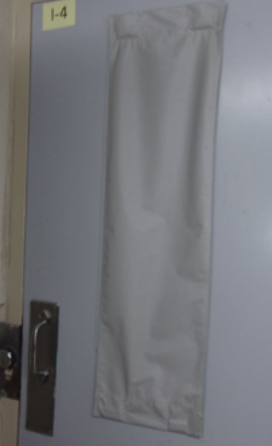
door at Cumberland JDC
“The Hole” and Disciplinary Isolation
One of the most troubling findings centers on the Durham County Youth Home, a 36-bed facility that opened in 2024.
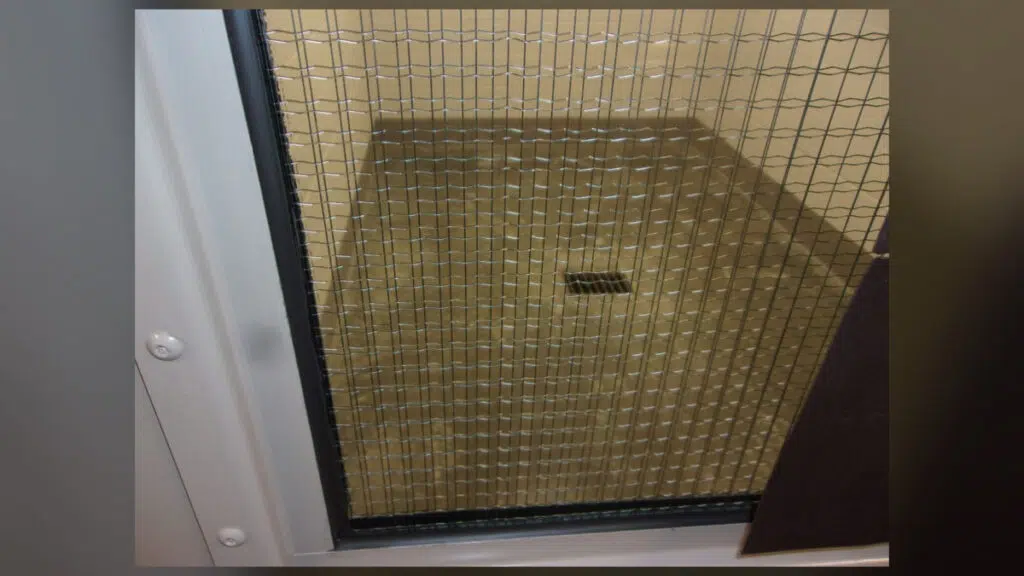
Youth described being placed in what they called “the Hole” — a bare room with a drain in the floor used for bodily functions. According to interviews, stays ranged from two days to two weeks. Lights allegedly remained on at all times. Mattresses were not always provided.
Facility administrators denied the existence of solitary confinement, stating that “Special Observation” rooms are used in consultation with mental health providers.
Still, advocates argue that the reported conditions are not trauma-informed and may exacerbate psychological distress.
State policy allows temporary room confinement to regain composure following incidents, but only after less restrictive interventions have failed and only for the time necessary. The report found that confinement was often imposed for predetermined durations instead.
A federal lawsuit filed in January 2024 against the Department of Public Safety alleges that teens were routinely locked in their rooms for 23 to 24 hours per day. The department denied regular use of solitary confinement but acknowledged staffing shortages have limited time outside rooms. That litigation remains ongoing.
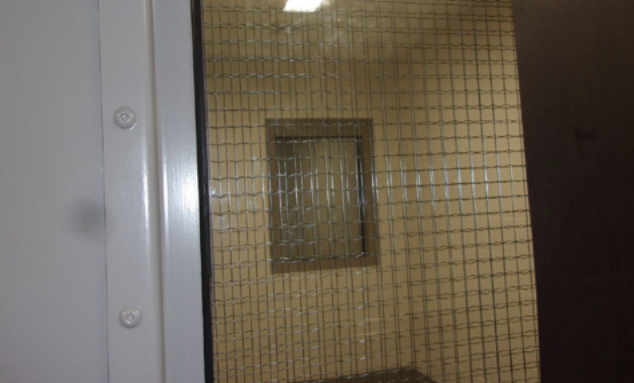
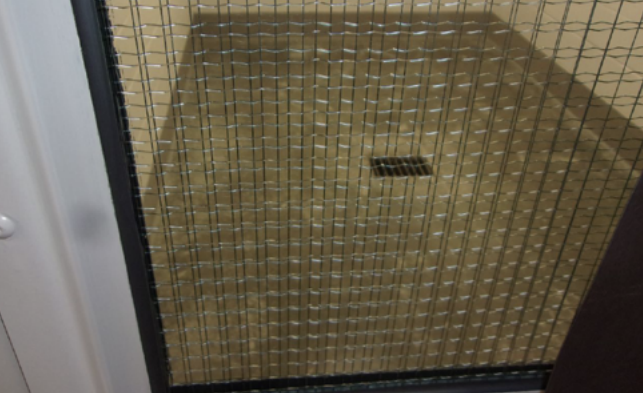
Deputy Secretary for Juvenile Justice William Lassiter wrote in a December letter that “The use of solitary confinement is not practiced within any North Carolina juvenile justice setting,” though he acknowledged limited room placement for behavioral incidents.
As of February 2026, the division reported a 24 percent overall vacancy rate, with 52 percent of youth counselor positions and 40 percent of behavioral specialist roles unfilled — staffing gaps officials say directly impact programming and supervision.
The report arrives amid rising detention numbers.
In 2025, facilities recorded 2,876 admissions representing 2,186 youth, primarily ages 13 to 17. The average stay in 2024 was 39 days — more than double the 15-day average in 2015. Youth tried as adults averaged 200 days in detention.
Advocates warn that prolonged isolation during adolescence — a critical developmental stage — can increase risks of anxiety, depression, self-harm and suicide.
Calls for Reform
Disability Rights NC issued dozens of recommendations, including:
-
Strict limits on isolation
-
Expanded access to education and therapy
-
Increased internal oversight
-
Greater investment in staffing and community-based alternatives
The Department of Public Safety says it is reviewing the findings. Lawmakers have allocated initial funds for a new 48-bed detention center and a proposed 20-bed medical and mental health crisis unit.
But advocates argue reform cannot wait.


 Reload document
  Open in new tab





2 thoughts on “NC Teens Locked in Cells 23 Hours a Day: Report Exposes Conditions Inside Juvenile Detention Centers”
Good piece of writing here. The thing is, I don’t care about them. They committed crimes to be there. Prison is not suppose to be a vacation. Don’t want to end up in one, then don’t commit a crime. Most young folks in their age range never commit crimes…
These children are experiencing ABUSE in that Durham facility and any other facility that operates like the Durham facility does. Youth if treated right has the opportunity to change their lives. Education, why aren’t they receiving education, they could be part of a class remotely if you worry about escaping or hire a teacher and designated an area for classes.
It seems that you are making these children worst than when they were when they they came there staying in confinement 22-23hrs a day everyday is depressing in that hour do they get to bath, eat a meal or are they confined to cell for meals also. Everybody at this facility should be retrained or fired. Nobody should be treated the way these children are being treated. State officials should check to see they have implemented the recommendations they have stated {and don’t wait a year).Constant checking on these facilities and the State should providing significant funding to retain staff needed and recreation should be part of there care as well as education along with individual and group therapy. Some of these young people may be able to turn their lives around with this help.