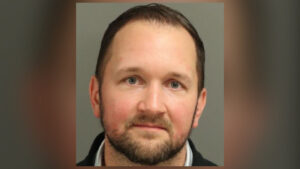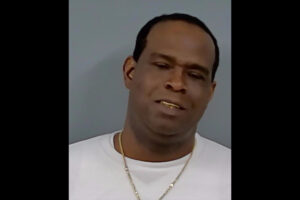

The Austin Sixth Street mass shooting has left three people dead and fourteen injured as federal authorities investigate a possible terrorism connection.
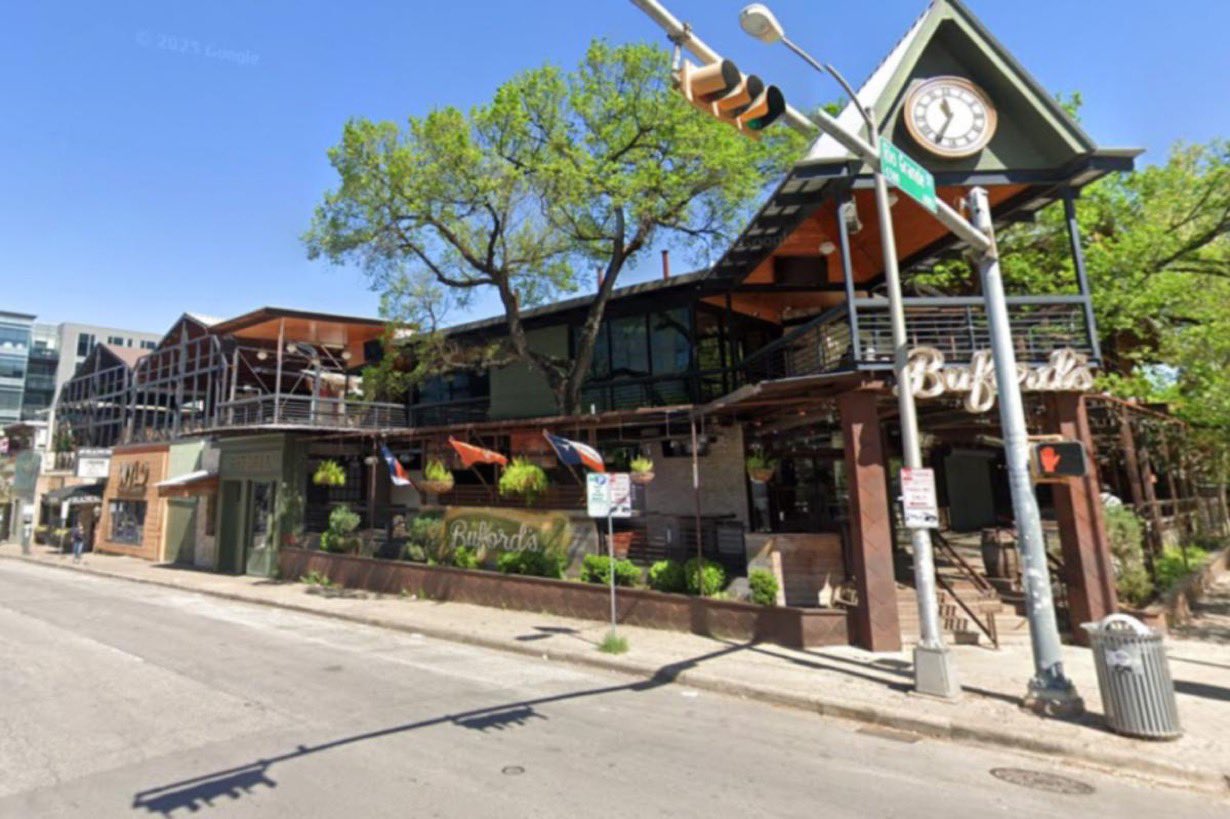
AUSTIN, T.X. – Downtown Austin, Texas turned into a crime scene just before 2 a.m. Sunday after gunfire erupted outside Buford’s Backyard Beer Garden — one of the most popular stops in the city’s legendary Sixth Street entertainment district.
Now federal authorities are investigating whether the deadly rampage has terrorism ties.
By sunrise on Sunday, three people were dead — including the suspected gunman — and 14 others were rushed to area hospitals. Three victims remain in critical condition.
HOW THE SHOOTING UNFOLDED
Emergency dispatchers received a 911 call at approximately 1:59 a.m. Police say officers arrived within 57 seconds and immediately began treating victims while confronting the suspect.
Authorities identified the shooter as Ndiaga Diagne, 53, a naturalized U.S. citizen originally from Senegal who lived in Pflugerville, Texas.
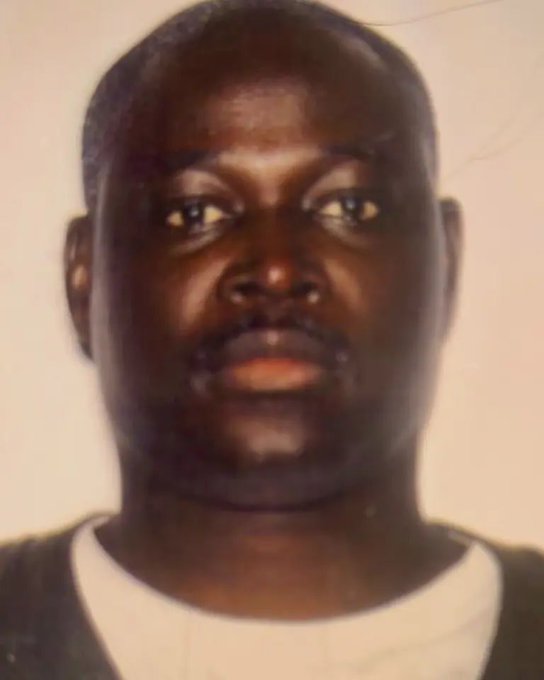
Investigators say the violence happened in phases. The suspect allegedly drove an SUV repeatedly around the block near Buford’s and activated his hazard lights, rolled down his window, and opened fire on patrons seated on the outdoor patio using a handgun.
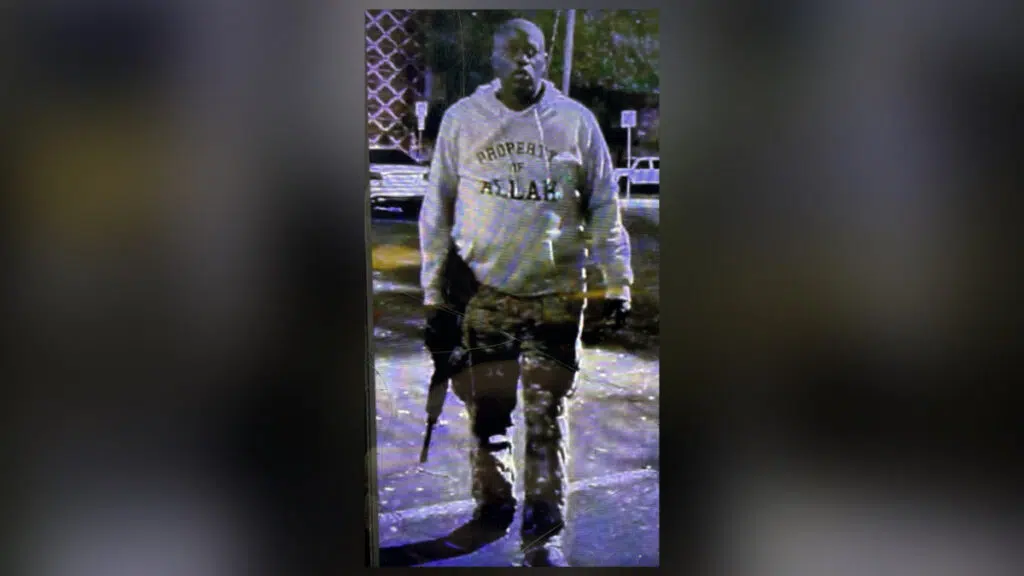
He then drove further down West Sixth Street, parked, exited his vehicle, and began firing at pedestrians with a rifle.
Austin police confronted and fatally shot him at the scene.
A handgun and rifle were recovered.
FBI INVESTIGATING POSSIBLE TERRORISM NEXUS
The FBI’s Joint Terrorism Task Force and the U.S. Department of Justice have joined the investigation after authorities found items suggesting what officials described as a possible “nexus to terrorism.”
However, investigators have not officially labeled the shooting an act of terrorism.
According to early briefings, the suspect allegedly wore a sweatshirt reading “Property of Allah”, wore a shirt displaying an Iranian flag design, and a Quran was found inside his vehicle.
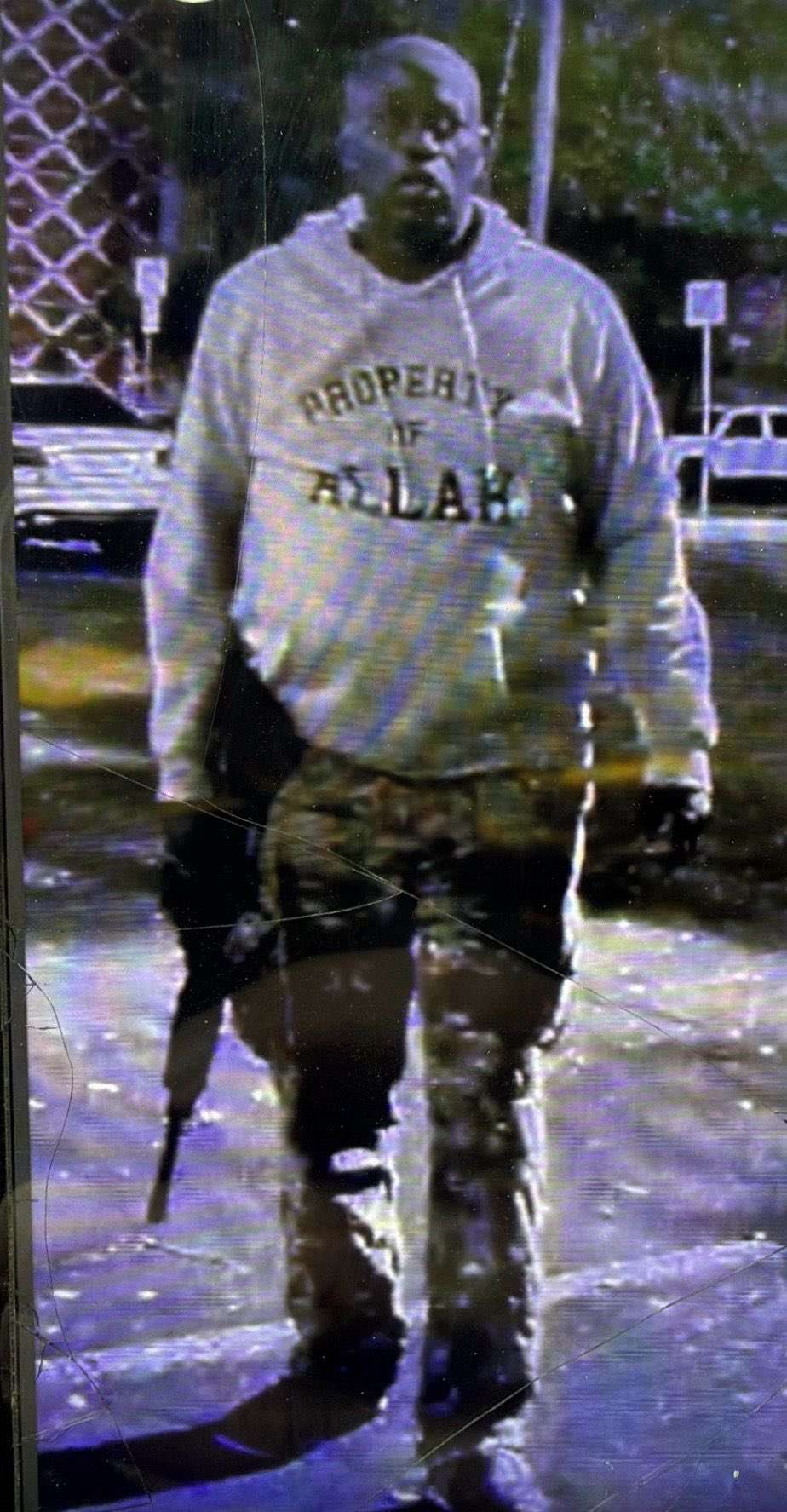
Officials stress that the presence of religious or symbolic items alone does not establish motive. Investigators are reviewing the suspect’s background, digital communications, and possible ideological influences.
During a press conference, the acting special agent in charge of the FBI’s San Antonio field office stated it is too early to determine whether the suspect acted alone, was radicalized, or was influenced by global political events.