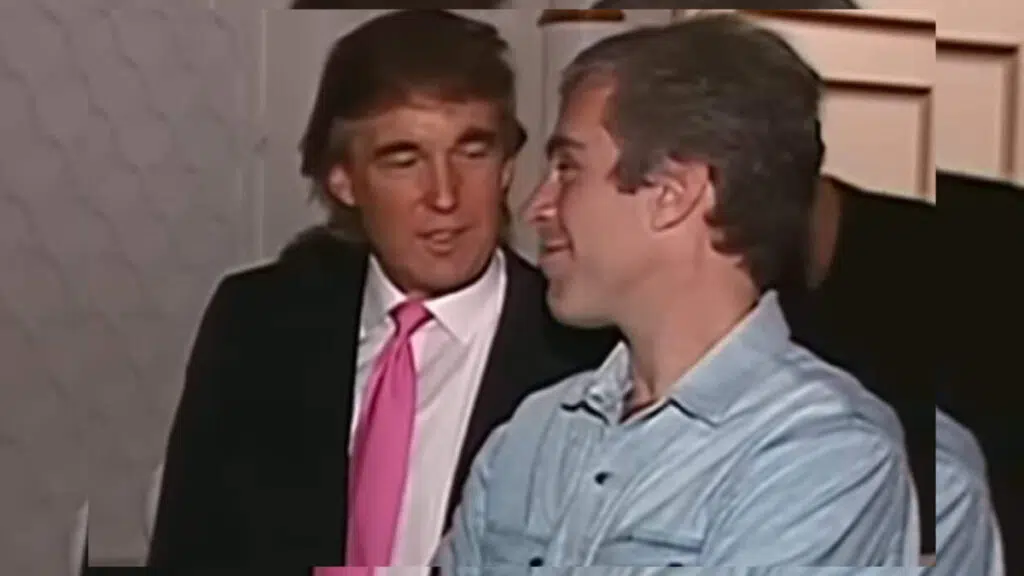

DOJ Withheld Epstein Files Mentioning Trump, according to an NPR investigation that found dozens of FBI interview pages missing from the public database created under the 2025 Epstein Files Transparency Act.
WASHINGTON, D.C. — A new investigation is turning up the heat on the federal government’s handling of the Jeffrey Epstein records.
According to a report from National Public Radio (NPR), the U.S. Department of Justice (DOJ) allegedly withheld and removed multiple pages of documents from its public Epstein files database — and several of those records reportedly reference Donald Trump.
The Epstein database was created under the Epstein Files Transparency Act, a 2025 law requiring the Attorney General to release unclassified documents connected to Epstein’s criminal enterprise. The goal was to allow journalists, researchers, and the public to examine the full scope of Epstein’s network and associations.
But NPR’s review of the database metadata reportedly found significant gaps.
According to the investigation, more than 50 pages of FBI interview notes and related materials appear to have been catalogued internally within DOJ systems but were not made publicly available. Among the documents reportedly missing are interviews with a woman who accused Trump of sexual abuse when she was a child, notes reflecting repeated FBI interviews referencing Trump, and interviews involving a second accuser that were temporarily removed before being restored.
In one instance described by NPR, an initial interview posted in the public database did not mention Trump, yet court discovery logs and related FBI materials outside the public portal indicated that other interviews including Trump references existed but were not published.
The DOJ has maintained that some materials were temporarily removed to conduct additional victim review and to correct improper redactions that exposed personally identifiable information. Officials have denied withholding records due to embarrassment, political sensitivity, or reputational harm, including for public figures.
However, questions remain about why certain records appear to still be absent from the public-facing database.
The White House responded to NPR’s findings by defending President Trump. A spokesperson stated that Trump has been “totally exonerated on anything relating to Epstein” and asserted that he has done more for Epstein’s victims than prior administrations. The statement also accused political opponents of applying a double standard in their scrutiny.
Lawmakers from both parties have reportedly expressed concern over the handling of the files. Some members of Congress argue that incomplete disclosure undermines the intent of the Transparency Act and risks eroding public trust in the justice system. Others have emphasized the need to balance transparency with the protection of victims, particularly in cases involving sexual abuse and minors.
Transparency advocates note that withholding records that reference a sitting president, even if for procedural or privacy reasons, can create the perception of political shielding.
The controversy is likely to intensify in the coming weeks. Members of Congress are reportedly considering oversight hearings and additional inquiries into the DOJ’s compliance with the Transparency Act. Further litigation over withheld or redacted records is also possible.
For now, the questions surrounding the missing documents remain unresolved — and the pressure for clarity is building as Trump is being shielded from the truth coming out.