

The North Carolina General Assembly has passed a sweeping criminal justice reform package dubbed “Iryna’s Law”, following public outcry over the fatal stabbing of 23-year-old Ukrainian refugee Iryna Zarutska aboard a Charlotte light rail train.

The new legislation, House Bill 307, sailed through the state Senate on Monday and was approved by the House on Tuesday with an 81-31 vote. It now heads to Governor Josh Stein’s desk for final approval.
On August 22, 2025, Iryna Zarutska boarded the Lynx Blue Line in Charlotte. Surveillance video captured the chilling moment when Decarlos Brown Jr., seated behind her, suddenly pulled a knife and stabbed her three times, killing her on the scene.
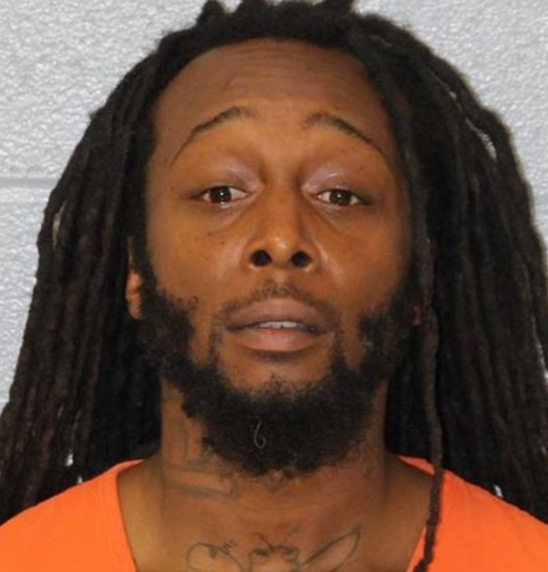
Brown was later arrested and charged with first-degree murder as well as a federal charge for committing a violent act on mass transit. The case shook the state — especially when it came out that Brown had been released just days before the attack under a cashless bail policy, despite a long criminal history and documented mental health concerns.
What Iryna’s Law Does
“Iryna’s Law” overhauls multiple parts of the state’s criminal justice system.
First, it eliminates cashless bail for certain violent crimes, meaning defendants facing serious charges will no longer be released on a simple promise to appear in court.
Second, it limits judicial discretion, requiring judges and magistrates to follow stricter standards when considering pretrial release for violent or repeat offenders.
Third, the law makes mental health evaluations mandatory for anyone charged with violent crimes if they have a history of involuntary commitment or credible signs of mental illness. Judges must now order an evaluation before setting bond.
The bill also creates a new aggravated sentencing category for violent crimes committed on public transportation — a direct response to how Zarutska was killed.
Finally, the law revives North Carolina’s death penalty procedures, which have been frozen since 2006. It allows alternative execution methods like firing squads or electrocution if lethal injection is ruled unconstitutional or unavailable.

It also sets a 2027 deadline for certain death row appeals to be resolved.
Republicans Say It’s About Safety
Republican lawmakers, led by Senate President Pro Tem Phil Berger, praised the bill as a necessary fix to what they call “soft-on-crime” loopholes. Berger and others say this legislation will keep dangerous individuals off the streets, especially those with a violent history or untreated mental illness.
But not everyone is celebrating.
Some Democratic lawmakers, public defenders, and criminal justice advocates say the bill is reactionary and fails to address deeper issues — like the lack of funding for mental health services and the shortage of forensic evaluators in North Carolina.
They also worry that reviving the death penalty, especially with new execution methods, is barbaric and outdated, and could lead to rushed appeals without enough oversight.
Additionally, judges have pushed back on the narrative that they were too lenient, pointing out that holding someone without bond for a misdemeanor charge, like misuse of 911 (which Brown previously faced), could violate due process laws.
Governor Josh Stein hasn’t confirmed whether he’ll sign or veto the bill. While he’s shown support for improving pretrial release policies in the past, some parts of the legislation — like the death penalty revival — may be harder to justify politically.